Darrington·Reference entry
Exfoliation Dome: What Peeling Rock Tells You
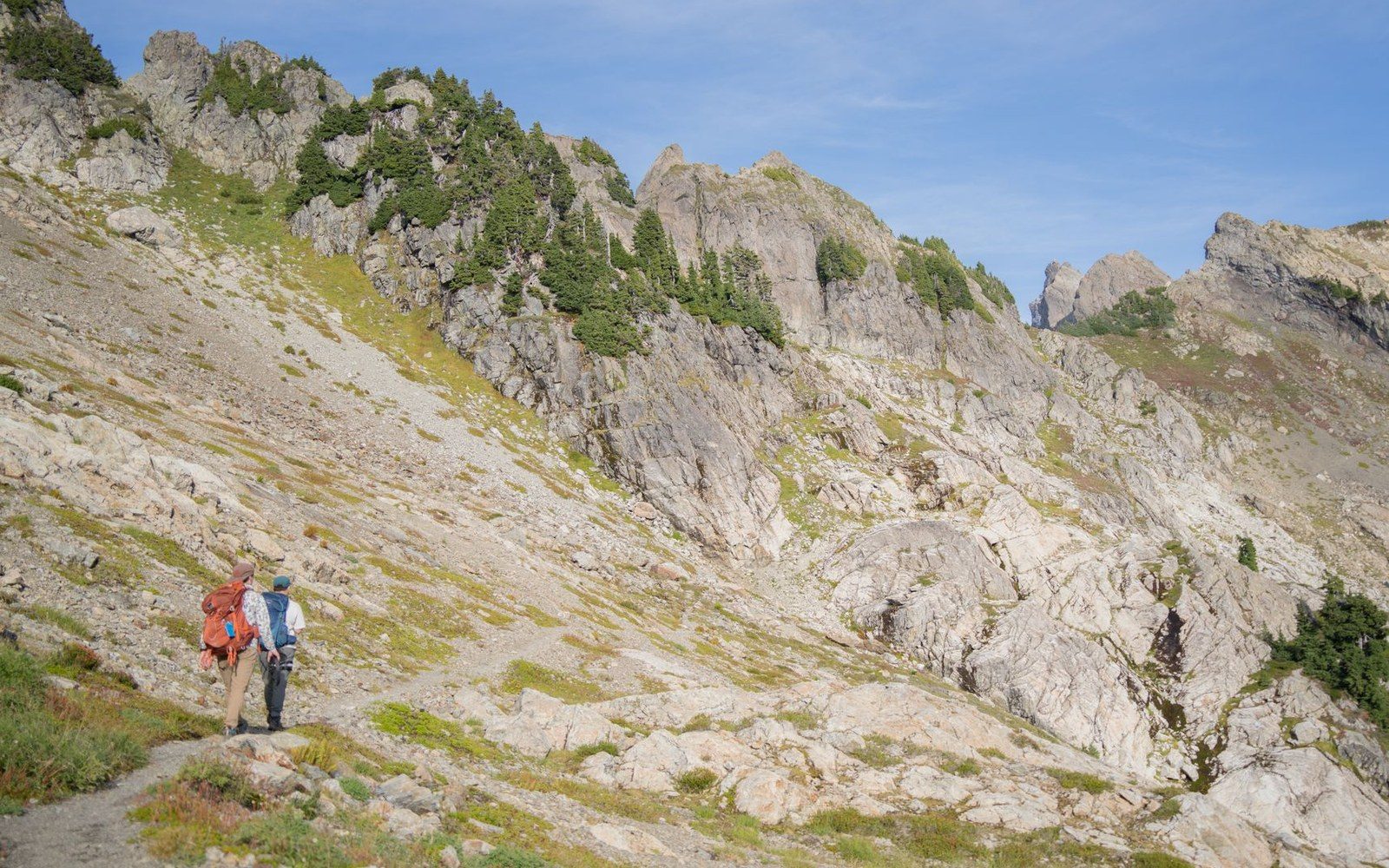
Photo: Alex Moliski / Pexels
The Name Is the Geology
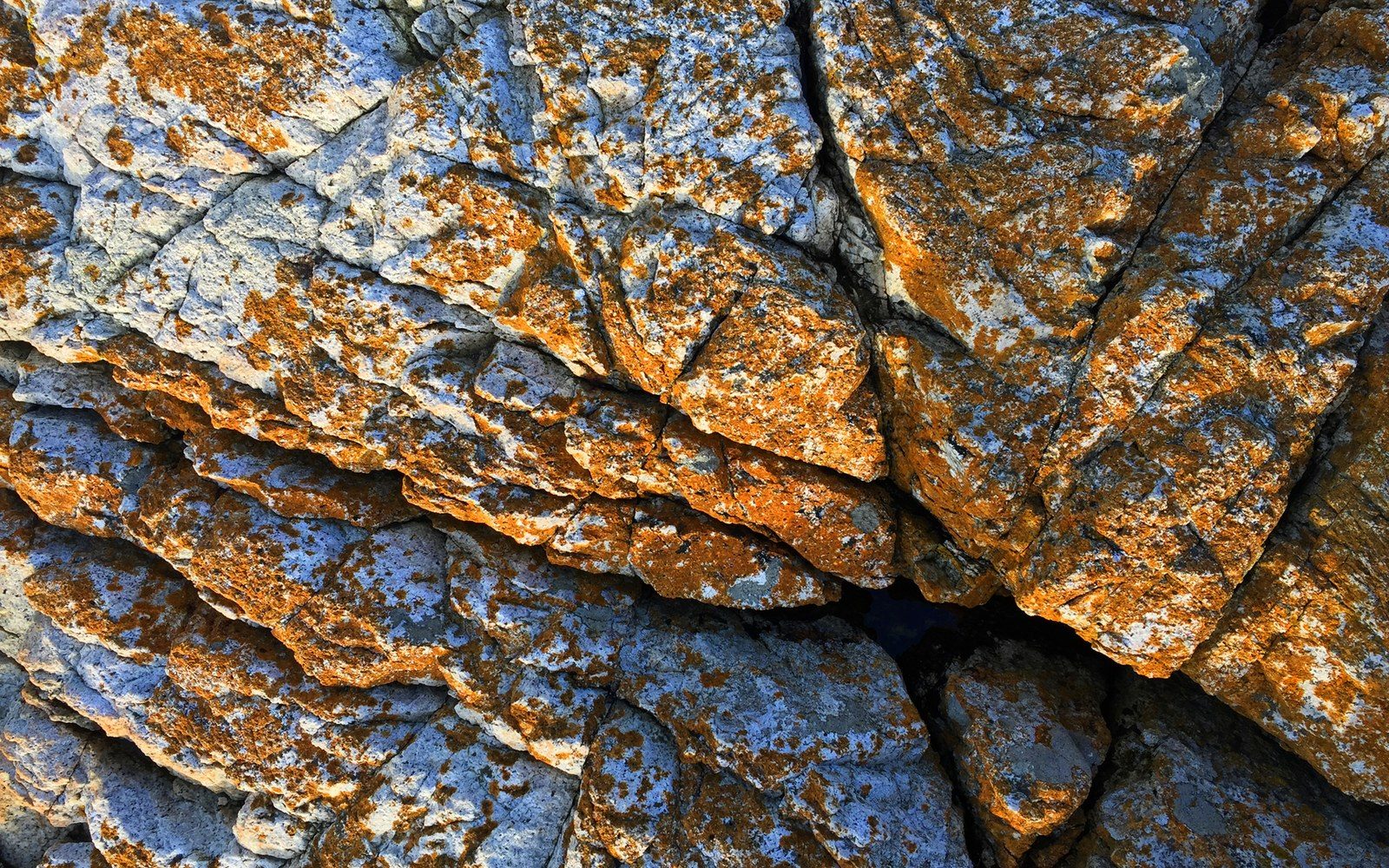
Exfoliation Dome rises above the Sauk River drainage near Darrington, Washington, and its name is a literal description of its surface. Exfoliation — the process by which curved sheets of rock peel away from a dome as overlying pressure releases — is written across the face in arcing, concentric slabs. The dome is not named for a route or a climber; it is named for what the rock is doing.
The process begins deep in geological time. The Darrington pluton, the granitic intrusion underlying this corner of the North Cascades, solidified under miles of overburden. As erosion stripped that material away over millions of years, the confining pressure dropped. The rock, no longer squeezed from above, expanded outward, and the outermost layers cracked parallel to the surface in sheets — some inches thick, some several feet — before separating and sliding free. What remains is a rounded, layered form that exposes progressively fresher rock beneath each peeled sheet.
The Darrington area granite carries a coarse, clean texture suited to friction climbing and crack systems alike, but the dome's curved surface shapes what routes are possible. Lines follow the natural logic of the exfoliation sheets rather than vertical crack systems, which makes the climbing record here read differently from nearby formations. Routes on Exfoliation Dome tend to track diagonals and arcs rather than straight crack lines, a consequence of the same geometry that gives the dome its name.
Chronology
- Darrington pluton emplacementdeep geological past, exposed by long-term erosion
- Mid-twentieth centuryapproximate window for documented first ascents on the dome, per Beckey's survey record
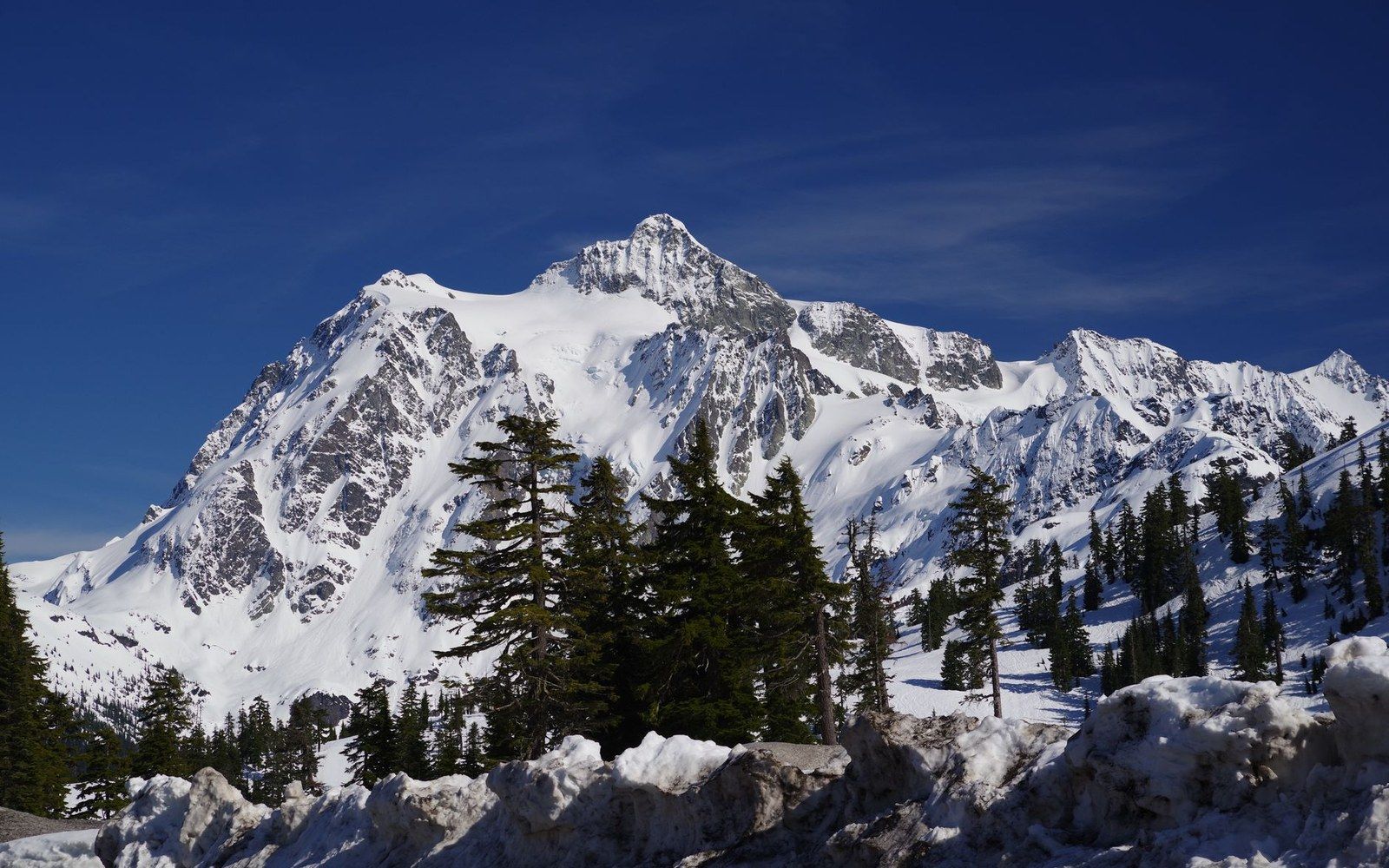
The Mountaineers documented Darrington-area climbing as part of Fred Beckey's regional survey work, and the dome appears in the Cascade Alpine Guide ↗ as a named formation with a modest but coherent set of recorded ascents. The first-ascent record reflects the same pattern seen across the Darrington granite: small parties, mid-twentieth-century dates, routes chosen by reading the rock's structure rather than by imposing a line on it.
Exfoliation Dome is not among Washington's most visited climbing destinations. Its significance in the regional record is primarily geological: few formations in the state make the mechanism of their own creation as legible as this one does. The peeling surface is both the subject of the name and the explanation for the dome's shape, its route character, and its place in the Darrington climbing landscape.
What the geology shows
- Exfoliation — curved rock sheets peeling from dome surface as overlying pressure releases
- Darrington pluton — the granitic intrusion underlying the formation; coarse texture, clean friction
- Sheet geometry — arcing slabs rather than vertical cracks; governs the route character directly
The Darrington pluton, the granitic intrusion underlying this corner of the North Cascades, solidified under miles of overburden ↗.