Peaks & Routes·Reference entry
Shuksan: The Peak That Is Not a Volcano
Metamorphic rock in a range of fire — and why that distinction shaped how the mountain was climbed.
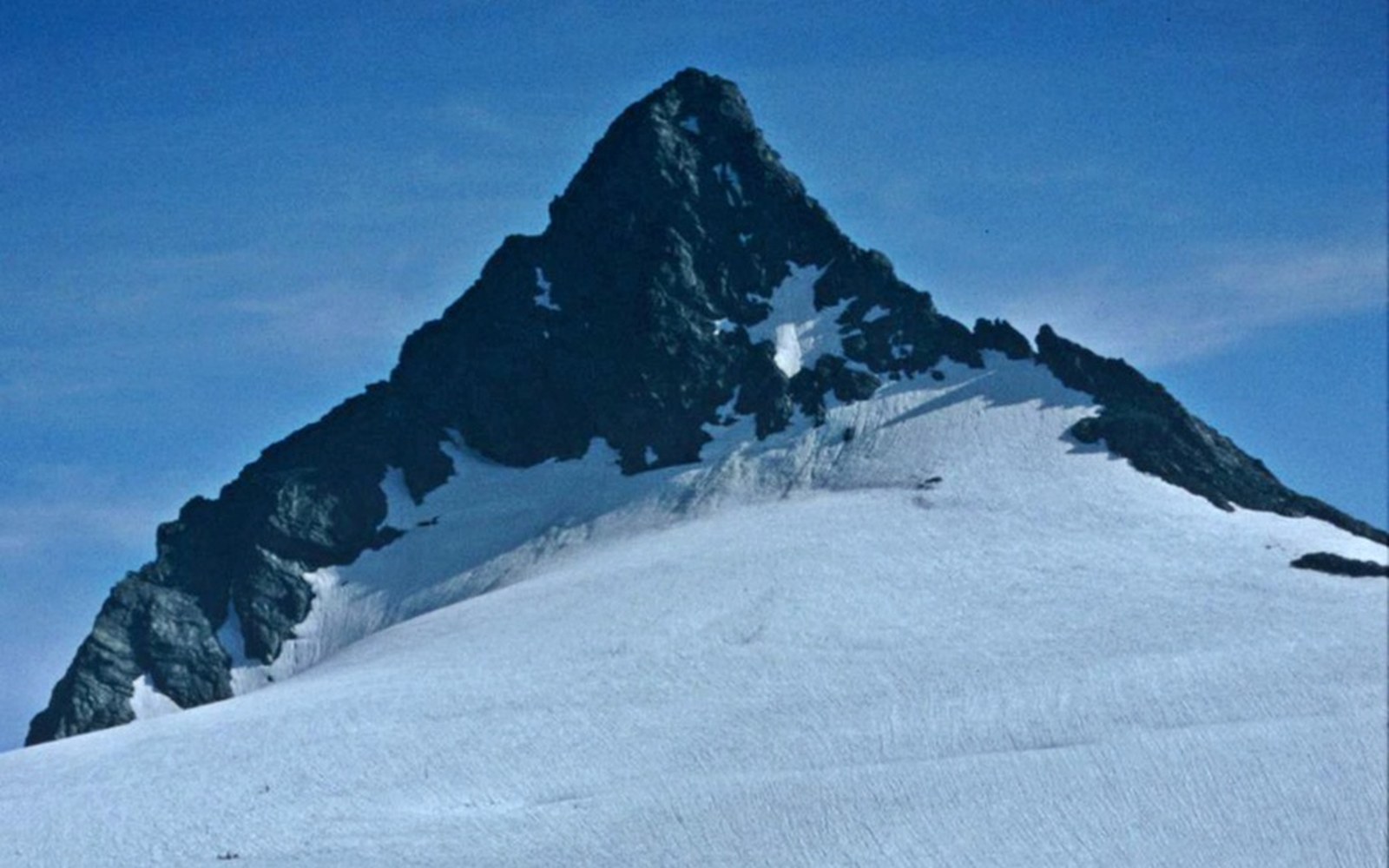
Photo: Mount Shuksan summit pyramid · Wikimedia Commons
The Exception in the Range
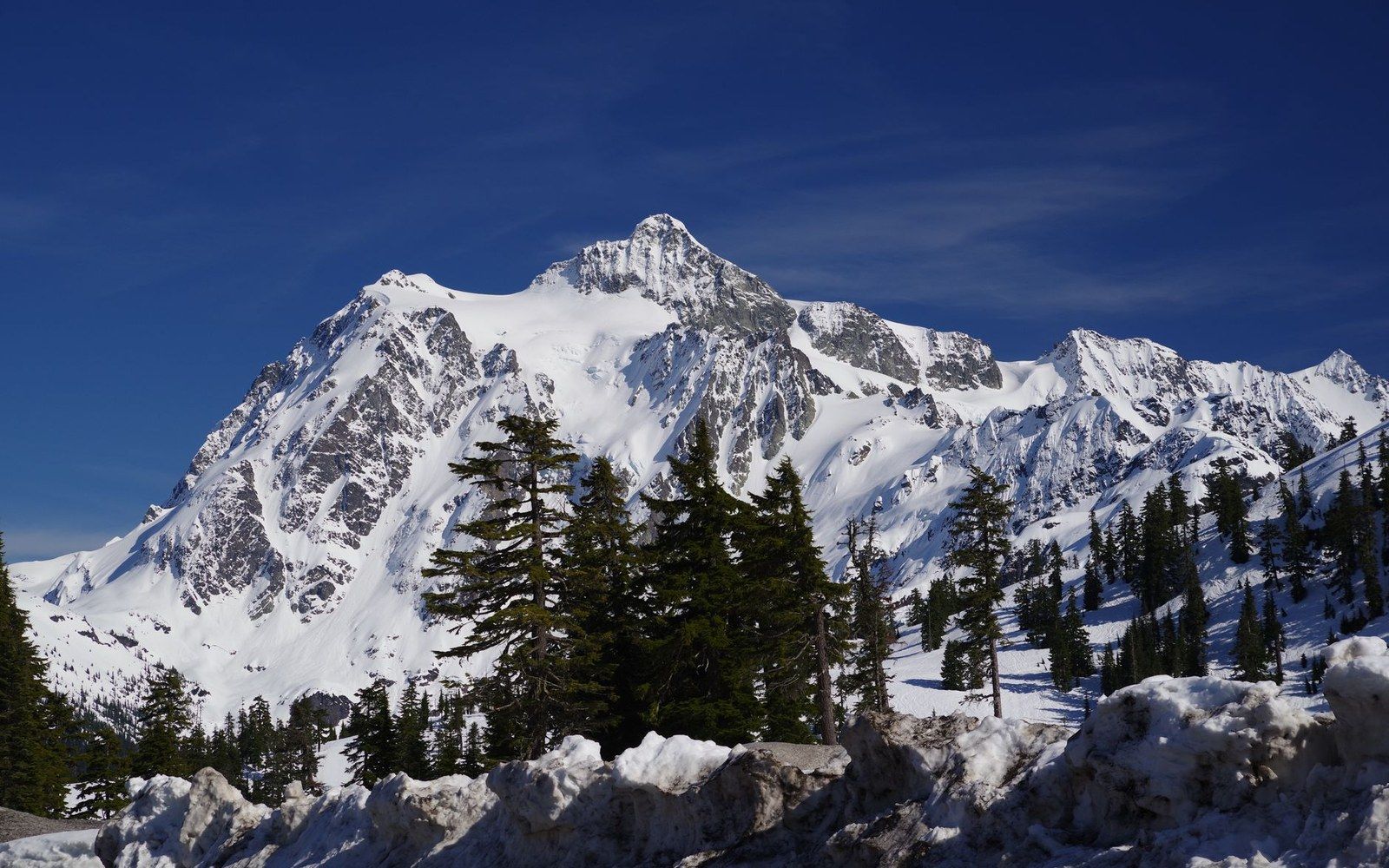
Mount Shuksan rises to 9,131 feet in the North Cascades, a few miles east of Mount Baker, and yet the two peaks share almost nothing geologically. Baker is a stratovolcano — built from erupted material, geologically young, and still thermally active. Shuksan is composed of metamorphic rock ↗: ancient seafloor material, compressed and transformed under enormous heat and pressure over hundreds of millions of years, then shoved eastward along the Shuksan thrust fault until it sat, anomalously, beside peaks of volcanic origin. Where Baker's flanks are relatively uniform ash and lava, Shuksan's faces are fractured schist and phyllite, a different proposition entirely for anyone trying to climb them.
The Mountaineers, founded in Seattle in 1906, conducted early surveys of the North Cascades that began to fix Shuksan's dimensions and character in the record. The peak resisted early attempts in part because its rock — broken, layered, and unpredictable in the way metamorphic formations often are — offered none of the straightforward snow-walking that delivered parties to the summits of Rainier or Baker. The first documented ascent, in 1906, was made by Asahel Curtis and W. Montelius Price by the south face, and the route required careful route-finding across unstable terrain that volcanic peaks of comparable height did not typically demand.
The North Cascades National Park designation in 1968 enclosed Shuksan within a protected landscape whose geological complexity it exemplifies. The peak's four principal features — Summit Pyramid, Sulphide Glacier, Crystal Glacier, and the Nooksack Tower — each reflect a different expression of the same metamorphic substrate: ridges that break rather than round off, glaciers seated in rock that fractures into ledges rather than smoothing into domes.
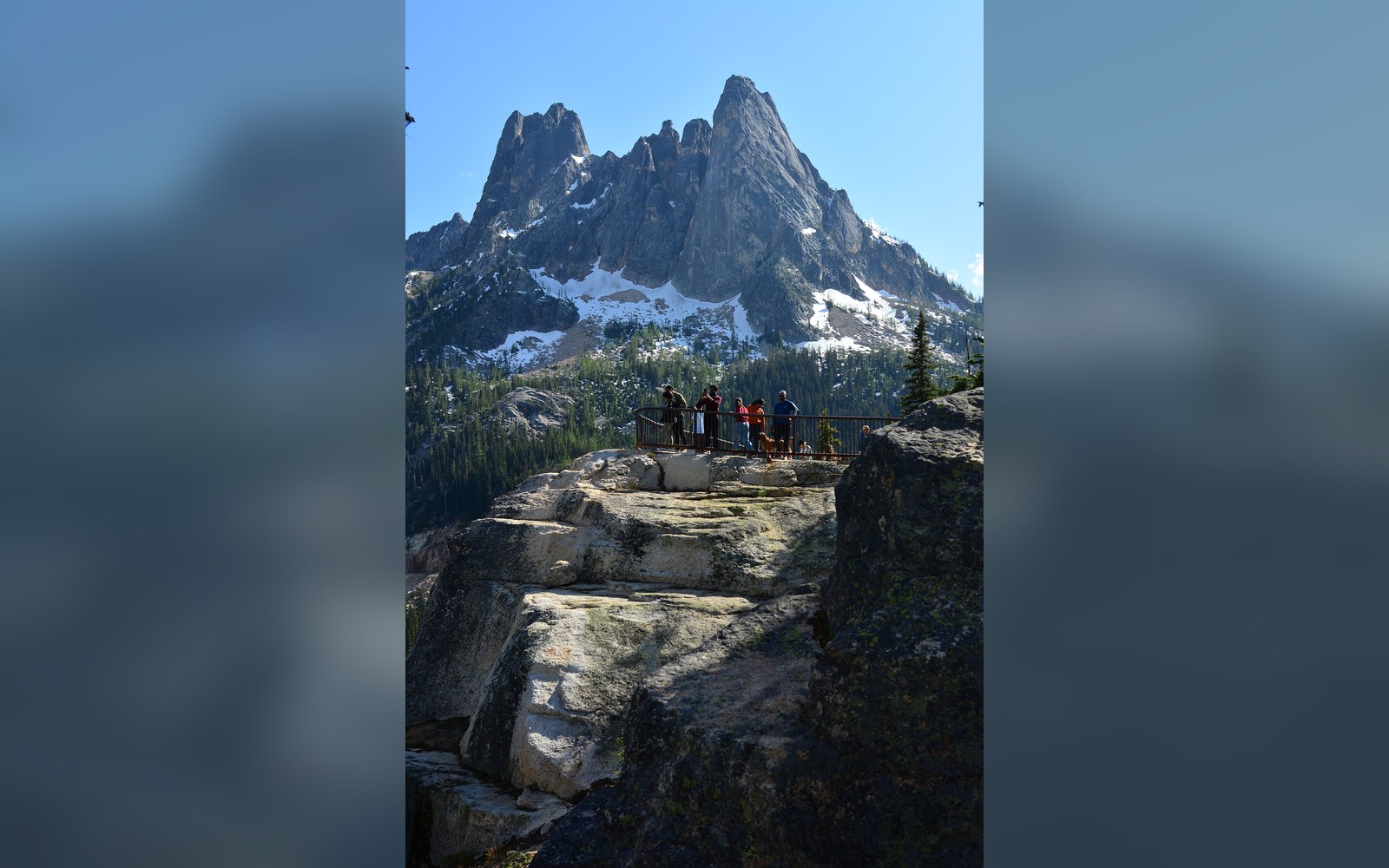
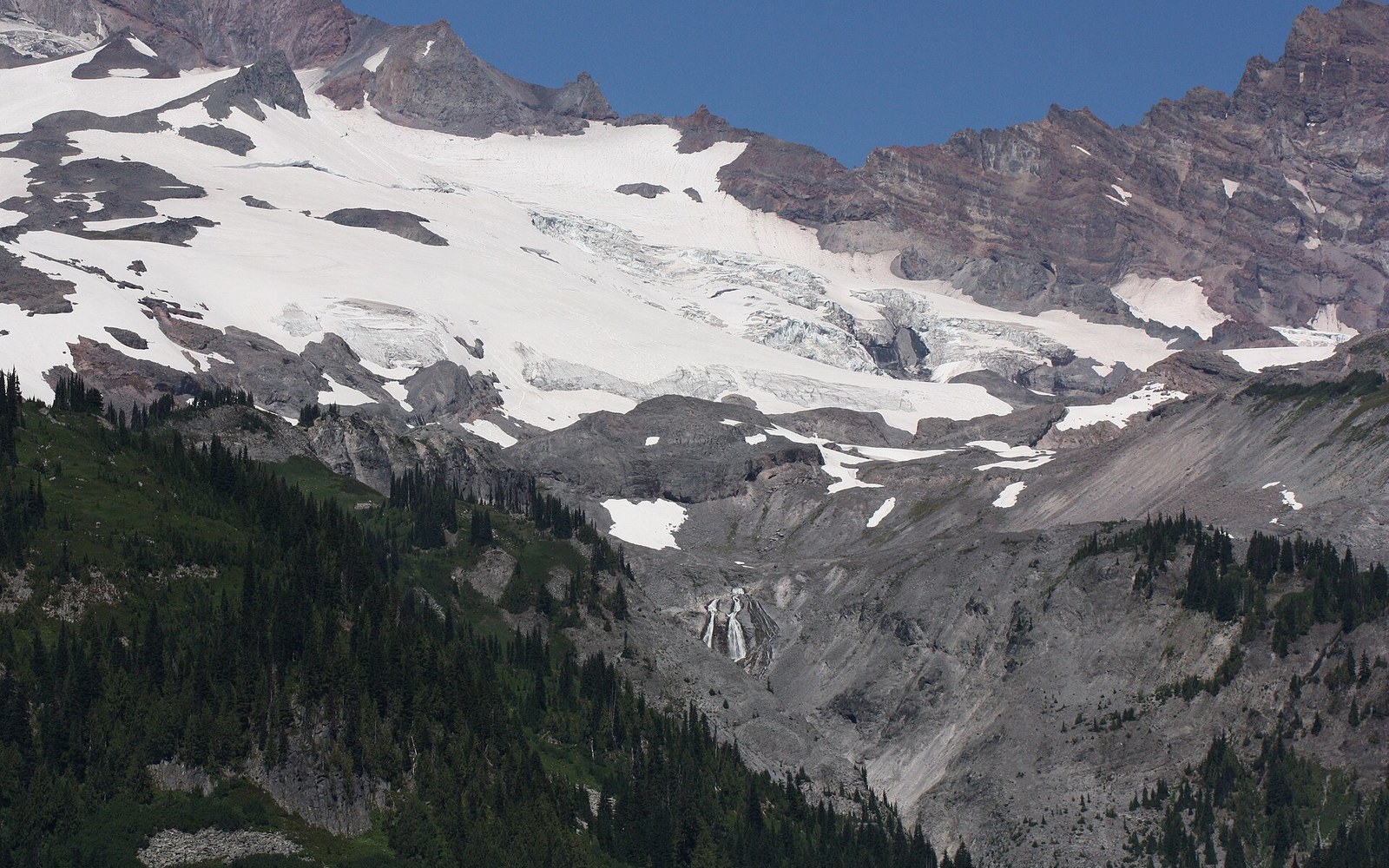
Fred Beckey's Cascade Alpine Guide documented Shuksan's routes with the same care brought to the volcanic peaks, but the annotations are different in character: warnings about loose rock, notes on unreliable holds, reminders that the mountain does not behave like its neighbors. The record, taken as a whole, is a geological argument made visible in the climbing history.
Key facts
- Elevation — 9,131 feet
- Rock type — metamorphic (schist, phyllite); formed by the Shuksan thrust fault
- First documented ascent — Asahel Curtis and W. Montelius Price, south face, 1906
- Nearest volcanic neighbor — Mount Baker, a still-active stratovolcano a few miles west
- Park jurisdiction — North Cascades National Park, designated 1968
The Mountaineers, founded in Seattle in 1906, conducted early surveys of the North Cascades that began to fix Shuksan's dimensions and character in the record.