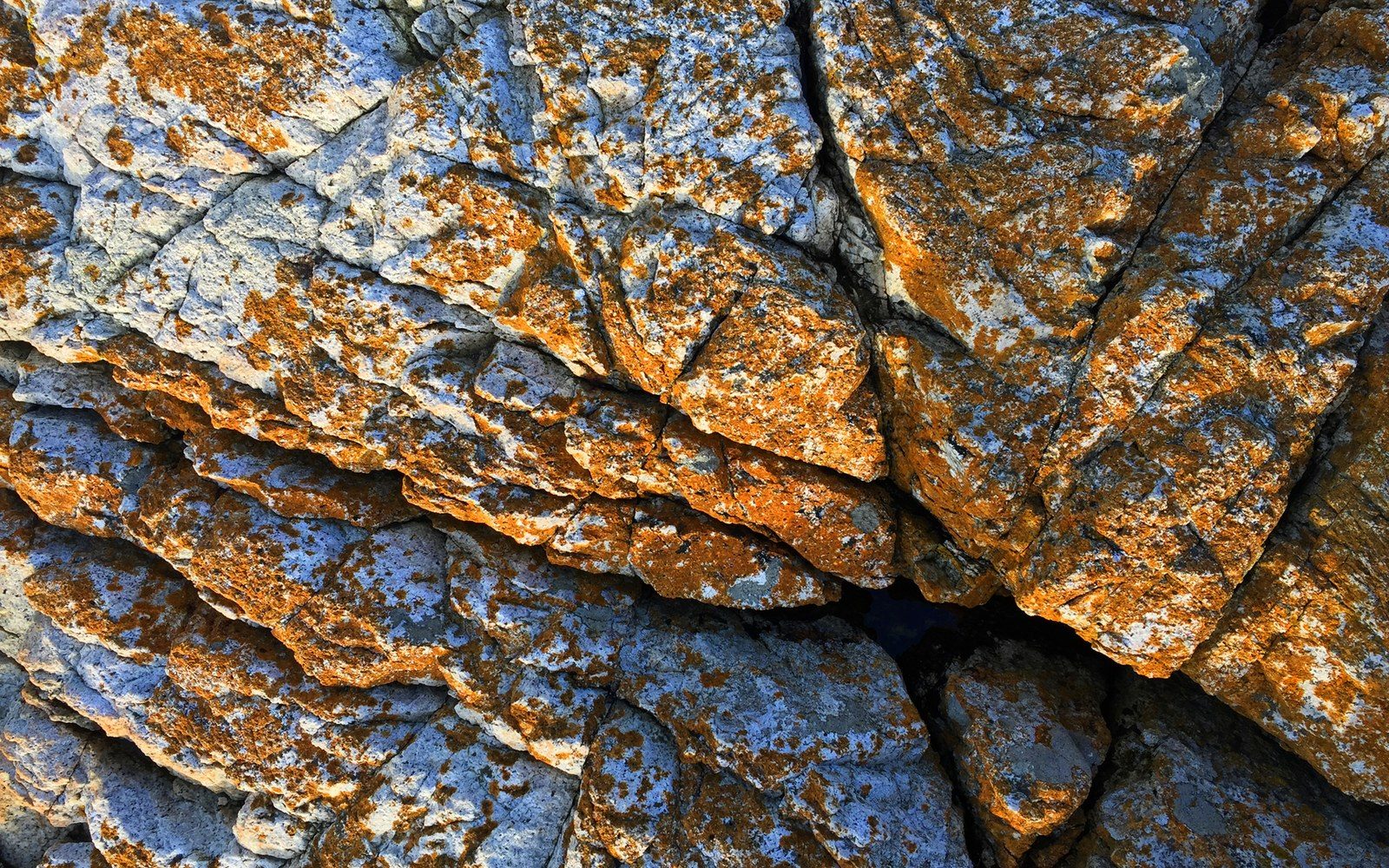
Crags·Reference entry
Peshastin Pinnacles: Sandstone in a Granite State
The only major sandstone crag in the Washington record, rising out of apple-orchard country a few miles from Leavenworth.
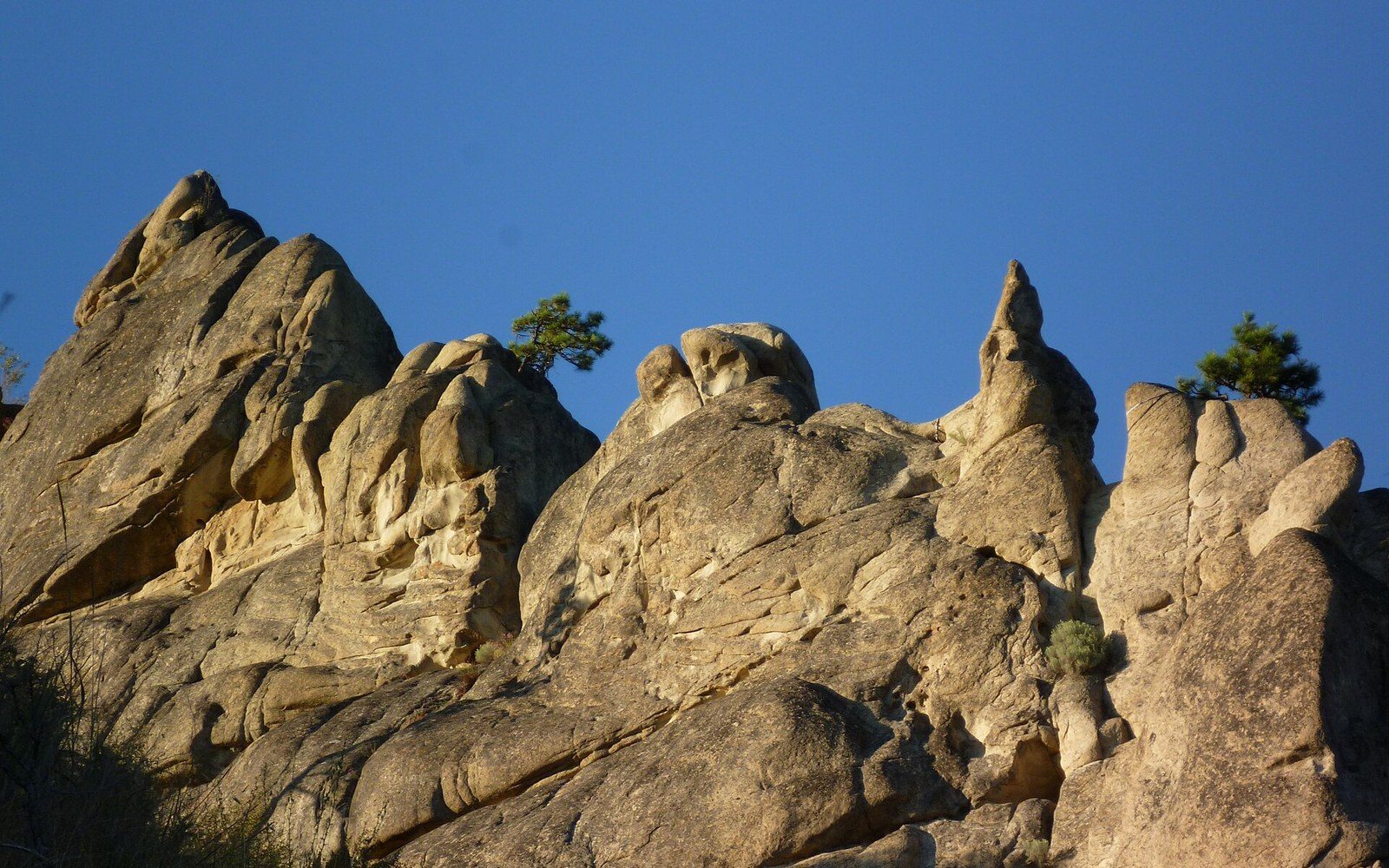
Photo: Peshastin Pinnacles State Park in Chelan County Washington · Wikimedia Commons
Sandstone Among Granite
The Peshastin Pinnacles occupy a narrow bench above the Wenatchee River valley, roughly five miles east of Leavenworth, Washington. They are anomalous in the Washington climbing record for one blunt reason: nearly every other named crag in the state is granite, basalt, or metamorphic rock. The Pinnacles are sandstone — consolidated sedimentary layers tilted and exposed by the same regional uplift that raised the Cascade Range around them.
The formation belongs to the Chumstick Formation, a sequence of Eocene-age sediments deposited in a basin that predates the modern Cascades. While the Stuart batholith — the coarse granitic mass underlying Mount Stuart and the entire Stuart Range to the south and west — represents igneous rock that cooled deep underground, the Peshastin sandstone was laid down at the surface, in water, over millions of years before burial and tilting. The contrast is visible to any climber who works both areas in the same season: the granite of the Stuart Range is crystalline, friction-dependent, and angular at the break; the sandstone at Peshastin is layered, pocketed, and abrasive, with holds that are positive but subject to weathering in a way granite is not.
The Pinnacles form several distinct towers — Gran Finale, Orchard Rock, Fun Rock, Trigger Finger, and Dinosaur Tower among them — arrayed along the exposed ridge. First-ascent activity began in earnest in the mid-twentieth century, with routes documented across the formation through the 1950s, 1960s, and into the 1970s. Fred Beckey, whose name runs through the first-ascent record of virtually every Washington formation of consequence, recorded routes here as elsewhere; the Pinnacles appear in his Cascade Alpine Guide series, published through The Mountaineers Books ↗, which remains the primary documentary source for first-ascent attribution in the range.
Chronology
- Eocene epochapproximate age of the Chumstick Formation sediments
- Mid-20th centuryperiod when documented first-ascent activity at Peshastin intensified
- Beckey's Cascade Alpine Guide seriesthe primary print record for first-ascent attribution
The state now manages the Peshastin Pinnacles as a Washington State Park ↗, a designation that distinguishes it from the Forest Service and National Park Service jurisdictions governing most Cascade climbing terrain. That administrative boundary matters to the historical record: access, documentation, and the conditions under which routes were first established all reflect the land-management context of their era.
In a state where the dominant climbing narrative is granite or volcanic, the Peshastin Pinnacles hold their own category — sedimentary, sun-baked, and geologically stranded in a landscape that otherwise belongs to a different kind of rock entirely.
Formation names
- Gran Finale — one of the main tower features at Peshastin
- Orchard Rock — named formation within the Pinnacles complex
- Trigger Finger — a distinctively shaped tower in the group
- Dinosaur Tower — another named formation at the site
- Fun Rock — a shorter tower within the group
- ●Mount Erie
- ●Index
- ●Snow Creek Wall
- ●Castle Rock
- ▲Peshastin Pinnacles
- ●Exit 38
- ●Frenchman Coulee
- ●Royal Columns
The formation belongs to the Chumstick Formation, a sequence of Eocene-age sediments deposited in a basin that predates the modern Cascades.