Darrington·Reference entry
Two Kinds of Washington Granite
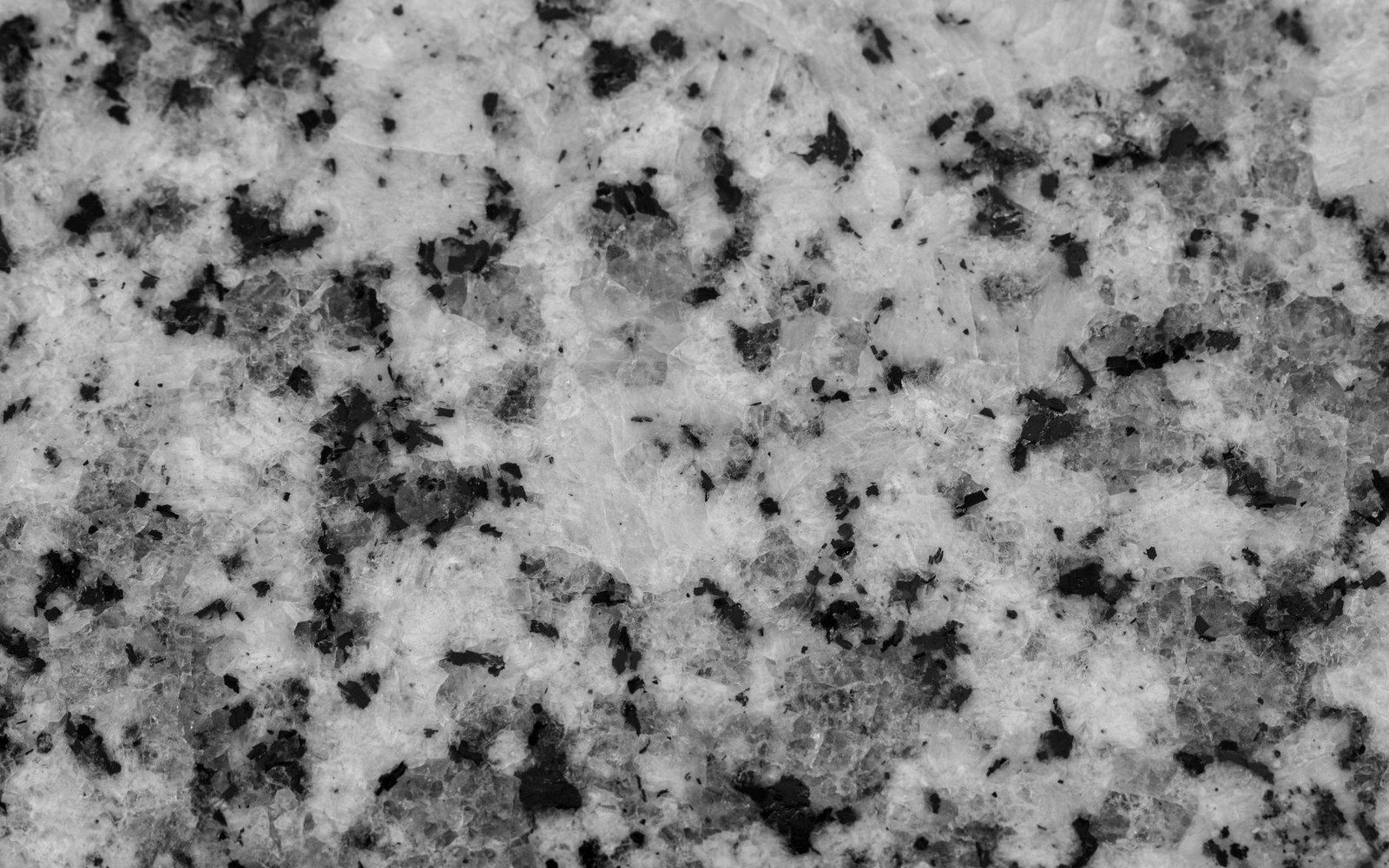
Photo: Patrick / Pexels
The Rock Is Not All the Same
Washington's climbing record gets divided most often by geography — east of the Cascades, west of them; alpine or roadside; snow and ice or pure rock. The division that matters more to anyone reading the record carefully is geological: what kind of rock, and why it behaves the way it does.
Granite appears on both sides of that conversation, but the word covers more than one thing. The Index batholith, the intrusive mass underlying the Skykomish Valley and the Index Town Walls, and the Darrington pluton, the body of igneous rock exposed in the hills above the Sauk River, are both granitic in the broad sense. They are not the same rock, and the climbing terrain each produces is not interchangeable.
Chronology of intrusion
- Both bodiesEocene-era intrusions, cooled from magma at depth
- Exposureresult of long-term erosion removing overlying material, releasing confining pressure
Mineralogy and What It Means at the Contact
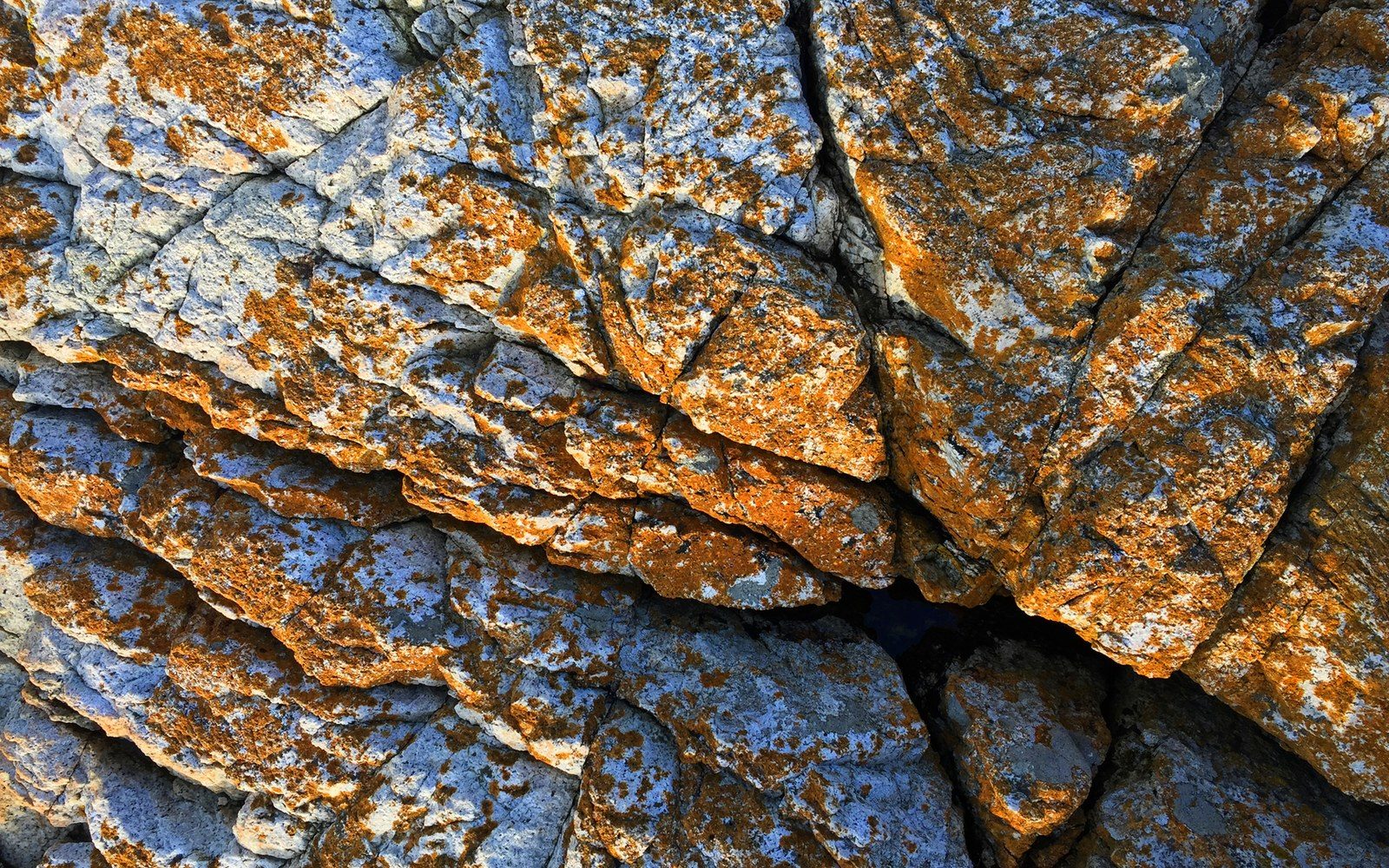
The Index batholith is a quartz diorite to granodiorite — richer in plagioclase feldspar than in potassium feldspar, and carrying enough dark minerals to give the stone a characteristically grey, almost blue-grey tone in natural light. It cooled at depth from magma that intruded during the Eocene, and its crystals are fine to medium in grain. That fine grain is directly responsible for what climbers on the Lower Town Wall and adjacent faces encounter: a surface that is dense and close-textured, offering friction that rewards precise footwork on thin holds, and edges that are genuinely sharp rather than rounded off by coarse crystalline structure.
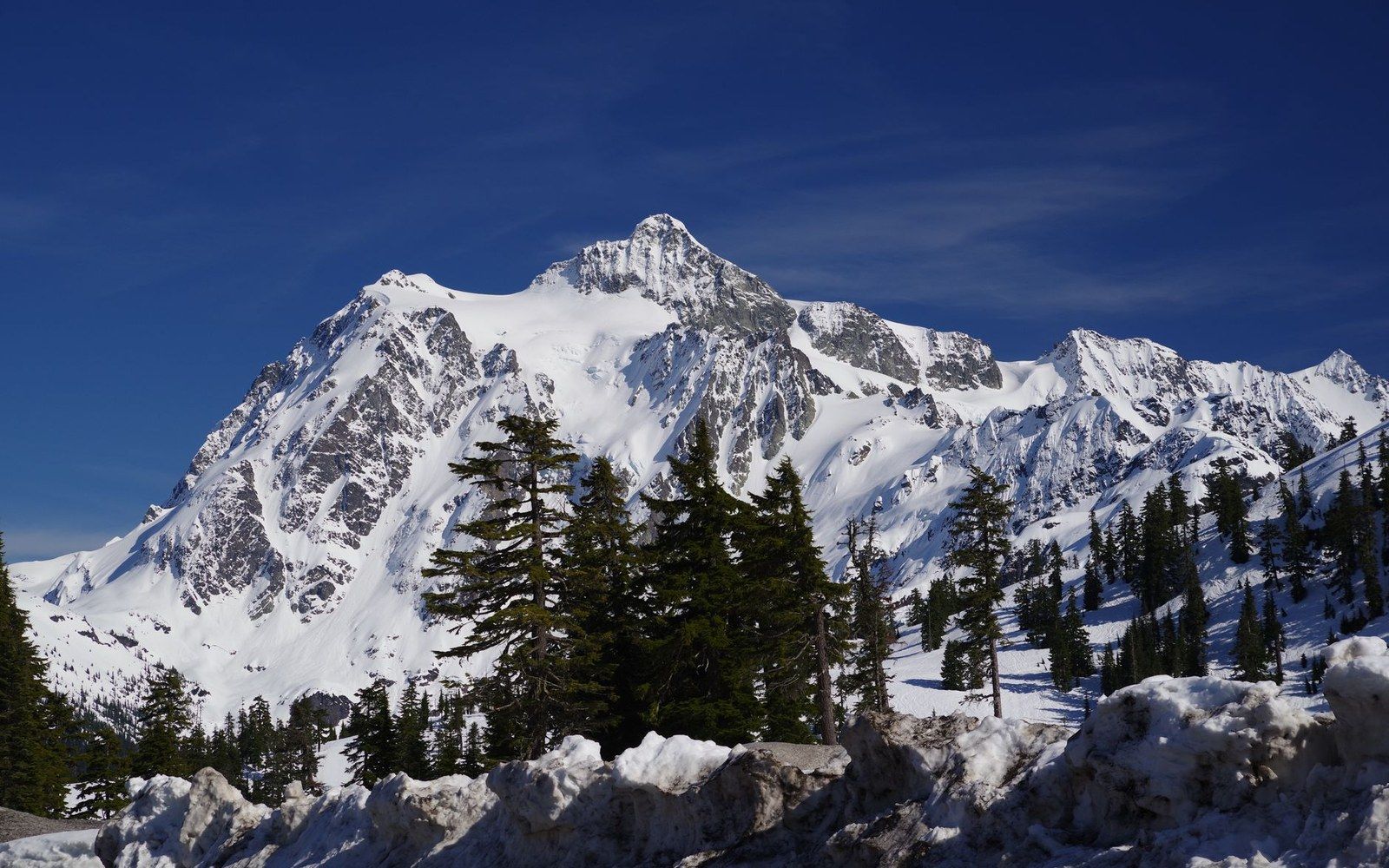
The Darrington pluton — the body of rock underlying Exfoliation Dome and the surrounding terrain — is a true granite by strict mineralogical definition, higher in silica content and more felsic overall. It is lighter in color, tending toward pale grey to almost white on surfaces long exposed to weather, and its grain is coarser. Where the Index rock produces sharp, blocky edges, the Darrington granite weathers into the rounded, exfoliating sheets that give Exfoliation Dome both its name and its character: smooth, curving faces from which rock has peeled away in slabs as internal pressure releases at the surface.
The process of exfoliation ↗ — in which concentric sheets of rock detach from a dome's exterior as confining pressure is removed by erosion — is not unique to Darrington, but the Darrington granite is particularly susceptible to it because of its coarse crystalline texture and the way stress propagates through a large, homogeneous felsic body. The result is terrain defined by rounded arêtes, low-angle slabs, and the occasional open book where two exfoliating sheets have parted.
Geological comparison
- Index batholith — quartz diorite to granodiorite; fine-to-medium grain; dense, sharp-edged; blue-grey in color
- Darrington pluton — true granite; coarser grain; pale grey to white; prone to exfoliation
- Key difference — grain size and silica content drive distinct weathering patterns and surface texture
What Each Formation Produces as Record
These differences show up in the first-ascent record in specific ways. The Index Town Walls drew climbers to vertical and overhanging crack systems, to face routes on compact stone where small holds hold weight cleanly. Routes on the Lower Town Wall rely on the rock's density; the wall does not shed holds easily, and its named lines tend to follow features that are structural rather than incidental.
At Darrington, the named routes on Exfoliation Dome follow the logic of a different stone. The dome's geometry — its smooth, outward-curving faces — demanded a different approach from first-ascensionists than Index's vertical cracklines did. Three O'Clock Rock, above the Sauk River drainage to the south, sits within the same regional geology and shares the Darrington area's tendency toward open, exfoliating faces rather than the tightly fractured walls of the Index batholith.
The North Cascades National Park ↗ encompasses terrain of far greater geological complexity — metamorphic sequences, volcanic intrusions, glacially worked ridgelines — but the granitic rock of the Darrington and Index areas represents the clearest head-to-head comparison the range offers: two batholithic bodies, similar in age and origin, distinct in texture and mineral character, producing recognizably different climbing terrain across a distance of roughly thirty miles.
Granite appears on both sides of that conversation, but the word covers more than one thing.