Land·Reference entry
Lloyd Anderson Needed an Ice Axe
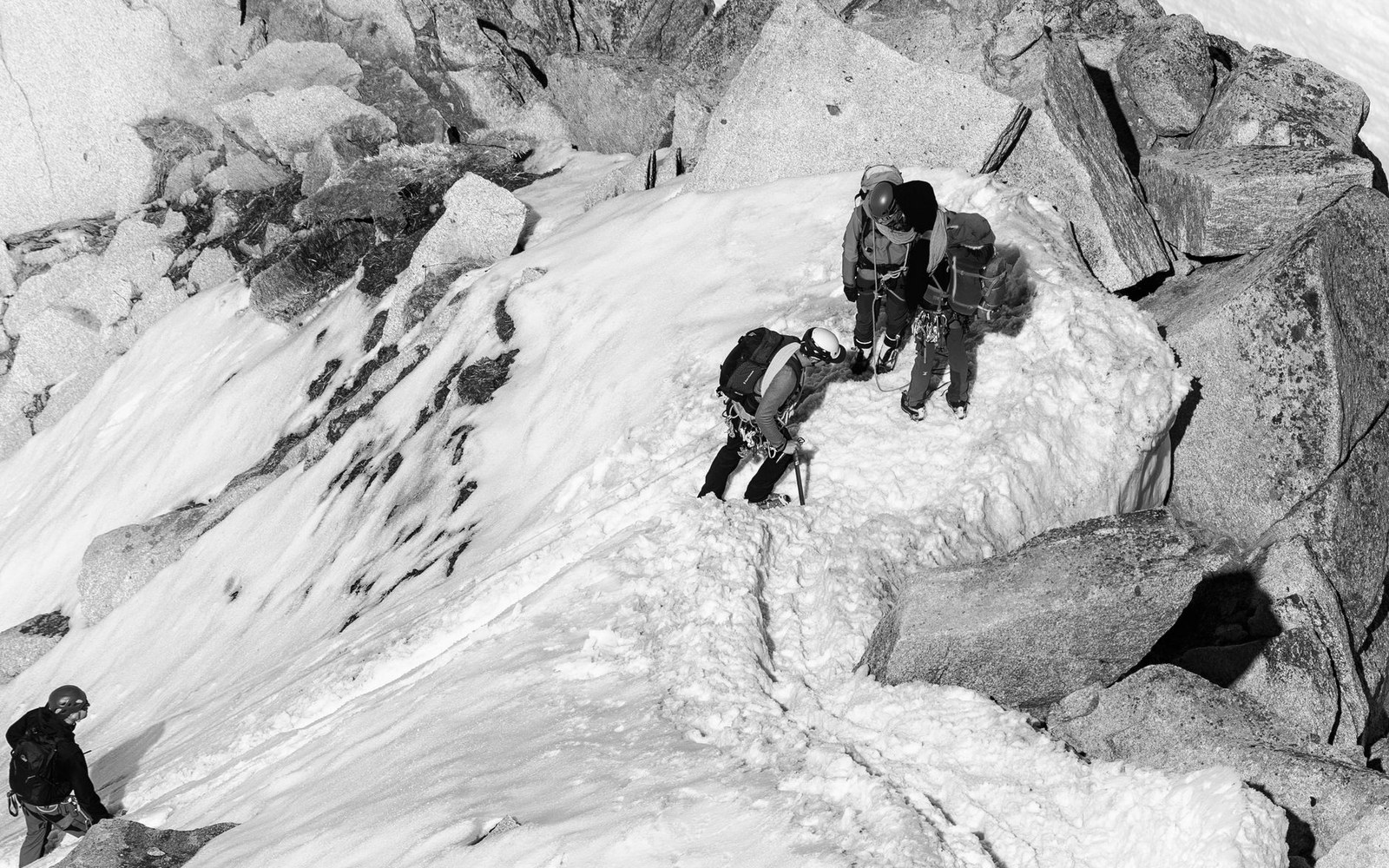
Photo: Philippe F. / Pexels
The Equipment Gap That Founded a Co-op
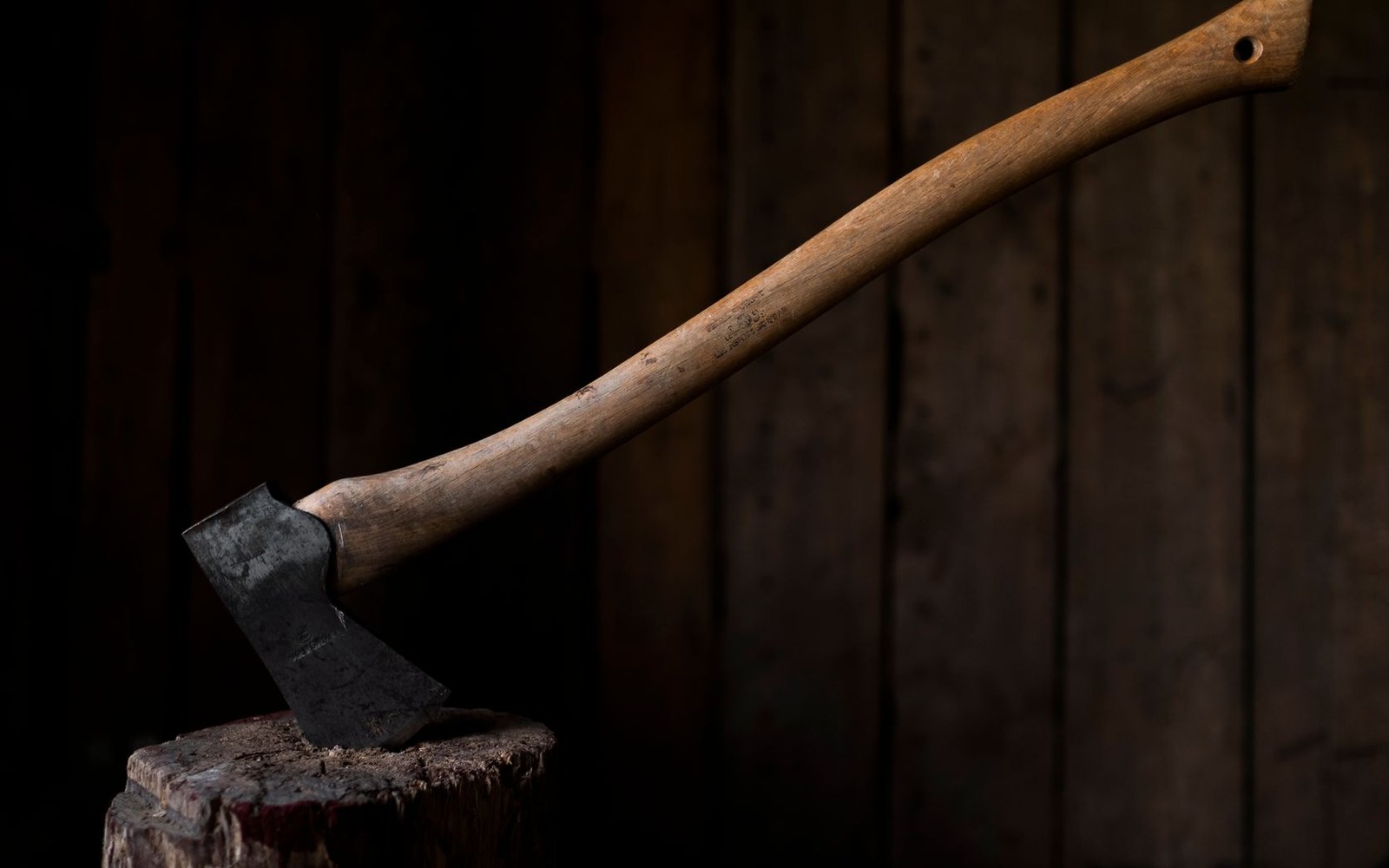
In 1938, Lloyd Anderson wanted a quality ice axe. Seattle had no shop that sold one at a price a working climber could afford. The Austrian-made Pickel he found through a European mail-order catalog cost him a fraction of what domestic retailers charged — but the gap between what serious mountain equipment cost and what American sporting-goods stores supplied was real, persistent, and shared by everyone Anderson climbed with inside The Mountaineers.
Anderson's solution was structural rather than personal. He and his wife Mary, along with six other climbers, organized a consumer cooperative ↗ in 1938 under the name Recreational Equipment, Inc. The co-op model — members pay a nominal fee, share in surplus earnings, and govern the organization — had precedent in Scandinavian and European consumer movements. Applied to climbing gear in the Pacific Northwest, it addressed a local scarcity directly: pooled buying power could reach European manufacturers at prices no individual could negotiate alone.
The founding membership was small. The Andersons and their six co-founders held the cooperative's initial equity between them, and early operations ran out of rented space in Seattle. The product range was narrow by necessity — ice axes, crampons, and the technical alpine hardware that retail sporting-goods channels either did not carry or priced for an occasional buyer rather than a committed mountaineer. The Cascades immediately to the east and the glaciated flanks of Mount Rainier to the south gave the co-op's earliest members both their reason to climb and their reason to import.
Chronology
- 1938Lloyd Anderson and six co-founders establish Recreational Equipment, Inc. in Seattle
- 1938Early inventory centered on European alpine hardware unavailable in U.S. retail
- 1963Jim Whittaker, former REI employee, becomes first American to summit Everest
REI's growth across the following decades was steady rather than sudden. The co-op model held: members received dividends, and those dividends returned a proportion of purchase prices to active buyers. By the postwar period the organization had expanded its inventory and its membership base well beyond the founding circle. Jim Whittaker, who would become the first American to summit Everest in 1963 ↗, worked for REI before that ascent — a fact that lodged the co-op firmly in the public record of American mountaineering.
The original problem — a climber in Seattle unable to source a single piece of technical equipment at a reasonable price — is now a historical footnote inside an organization with revenues in the billions. But the founding logic remained unchanged for decades: a cooperative exists to correct a market failure for its members. In 1938, the market failure was one ice axe. The institution it produced outlasted every shop that declined to stock the thing Anderson needed.

He and his wife Mary, along with six other climbers, organized a consumer cooperative ↗ in 1938 under the name Recreational Equipment, Inc.