Land·Reference entry
The Washington Climbers Coalition and the Question of Access as History
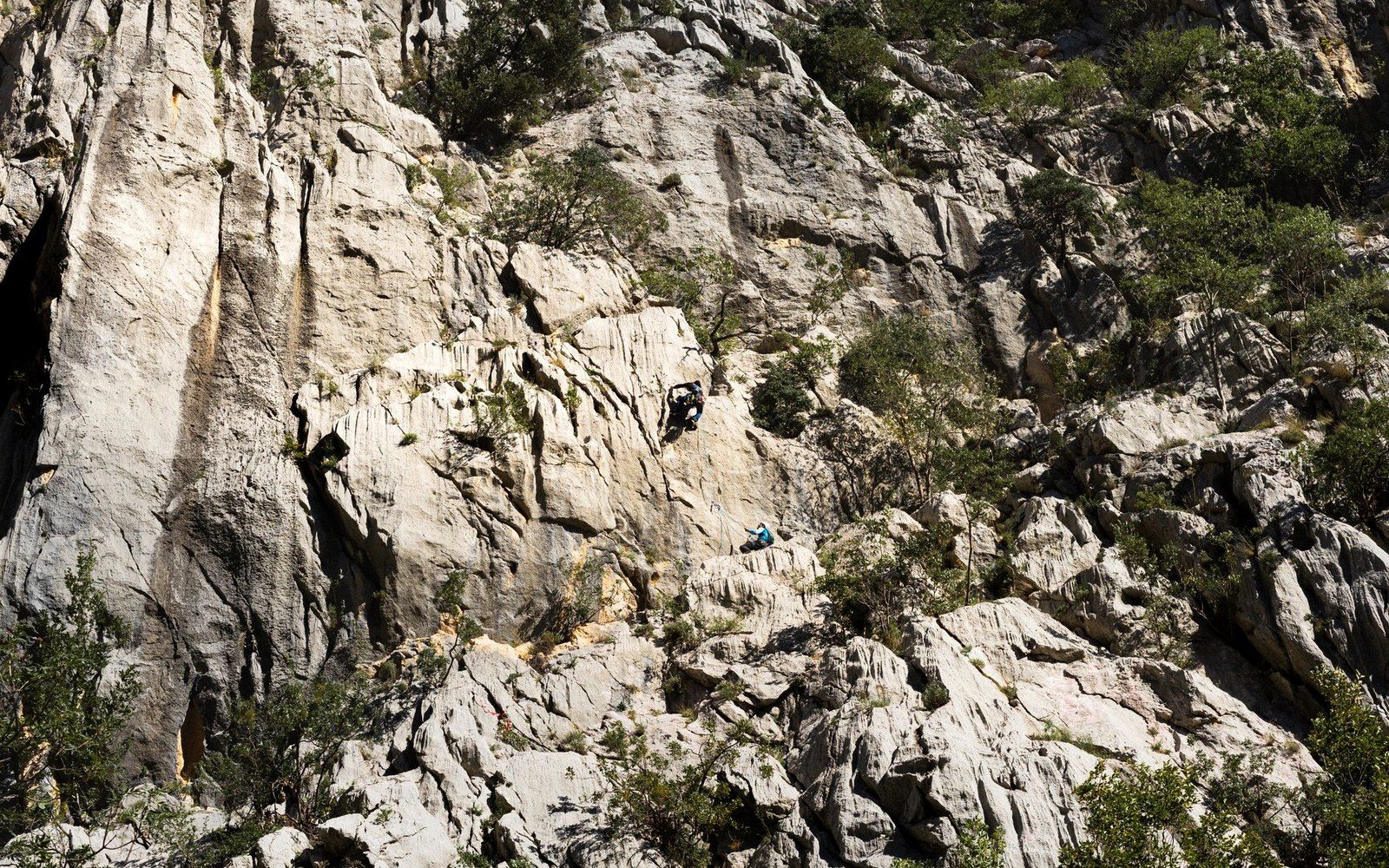
Photo: Nici Gottstein / Pexels
When the Record Includes Who Kept the Cliff Open
The Washington Climbers Coalition was founded in 1999 as a statewide advocacy organization dedicated to preserving and expanding climbing access on public and private land across Washington. Its formation acknowledged a reality the first-ascent record does not capture: that a route's existence in the historical ledger depends not only on the party that first climbed it but on the institutional work that kept the rock reachable afterward.
The Coalition's campaigns have addressed land ownership transitions, trail maintenance agreements, and the management policies of the U.S. Forest Service and the National Park Service — agencies whose decisions determine whether named crags remain open at all. Peshastin Pinnacles, the Index Town Walls, and formations throughout the Icicle Creek Canyon have each, at different points, required the kind of negotiated stewardship the Coalition was built to provide.
The organization's most legible moment in the climbing record is the 2010 purchase of the Index Lower Town Wall. When the wall's private ownership created a credible threat of closure, the Coalition anchored the fundraising and coordination effort that transferred the land into permanent public access. The purchase protected the Lower Town Wall — home to routes documented across decades of Washington climbing history — and placed access history directly alongside first-ascent history as a category of record.
Chronology
- 1999Washington Climbers Coalition founded
- 2010Coalition leads effort to purchase the Index Lower Town Wall, securing permanent public access
The claim that access work belongs in the climbing record is not rhetorical. A first ascent is credited to a named party on a named date. An access campaign is also credited to named parties on named dates, documented in Washington Climbers Coalition records and reflected in land transaction documents. The parallel is exact. The historical record of Washington climbing is incomplete without both.
The Coalition's ongoing work — stewardship grants, agency partnerships, and land acquisition — continues to shape which formations remain in the record as active crags and which pass quietly out of it.
The Coalition's campaigns have addressed land ownership transitions, trail maintenance agreements, and the management policies of the U.S.